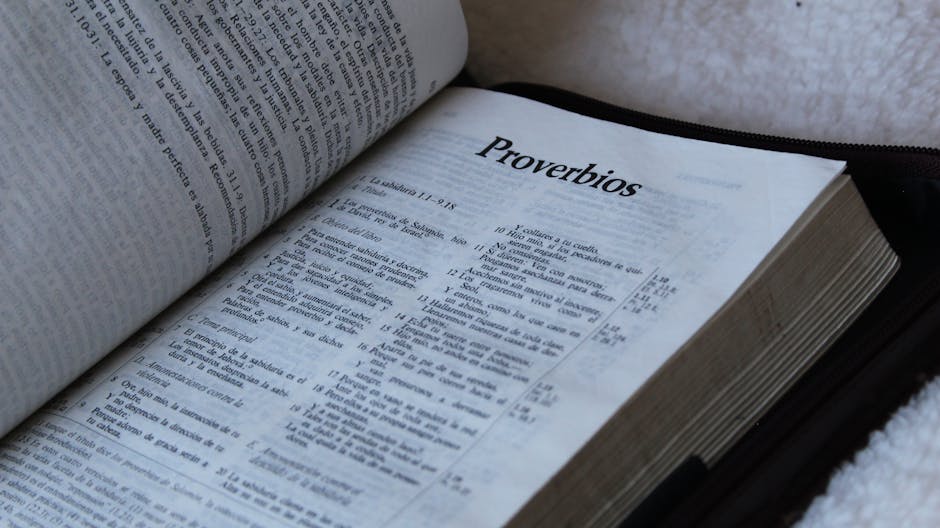
Starting a Bible study practice can feel overwhelming, especially if you're new to exploring scripture. Whether you're approaching it from a faith perspective or academic interest, understanding the fundamentals will help you get the most from your reading.
First, choose a translation that resonates with you. The King James Version offers traditional language, whilst modern translations like the New International Version or The Message provide easier contemporary reading. Don't feel pressured to stick with one forever—many people find different versions useful for different purposes.
Next, consider your study method. Some people prefer reading through entire books systematically, whilst others use topical approaches, exploring what scripture says about specific subjects like forgiveness, hope, or community. You might also try the SOAP method: Scripture, Observation, Application, and Prayer. This structured approach helps you engage deeply rather than passively reading.
Creating a Sustainable Practice
Consistency matters more than quantity. Fifteen minutes daily is more valuable than sporadic longer sessions. Find a quiet space, eliminate distractions, and establish a regular time that works for your schedule—perhaps during your morning coffee or before bed.
Keep a journal nearby. Writing down questions, insights, or passages that strike you helps cement learning and provides a record of your spiritual journey. Don't worry about perfect handwriting or eloquent prose—this is for you.
Using Helpful Resources
You don't need expensive study materials to begin. Free online resources abound: Bible Gateway offers multiple translations and reading plans, whilst YouTube channels provide commentary and context. Consider joining a local study group or online community where you can ask questions and learn from others' perspectives.
Study Bible editions include helpful footnotes explaining historical context, difficult passages, and cross-references. These are invaluable for deeper understanding without requiring extensive background knowledge.
Overcoming Common Challenges
If you encounter confusing passages, remember that confusion is normal and worthwhile. Use concordances to trace how terms appear throughout scripture, or consult commentaries written by biblical scholars. Different interpretations exist—this reflects the richness of the text rather than indicating failure on your part.
Don't pressure yourself to understand everything immediately. Scripture study is a lifelong journey. Some passages become meaningful only after years of reflection and life experience. This gradual unfolding is part of the beauty of deep reading.
Start small, stay consistent, and approach your study with genuine curiosity. Whether you're exploring faith questions or cultural literacy, Bible study offers profound rewards to those who engage thoughtfully.